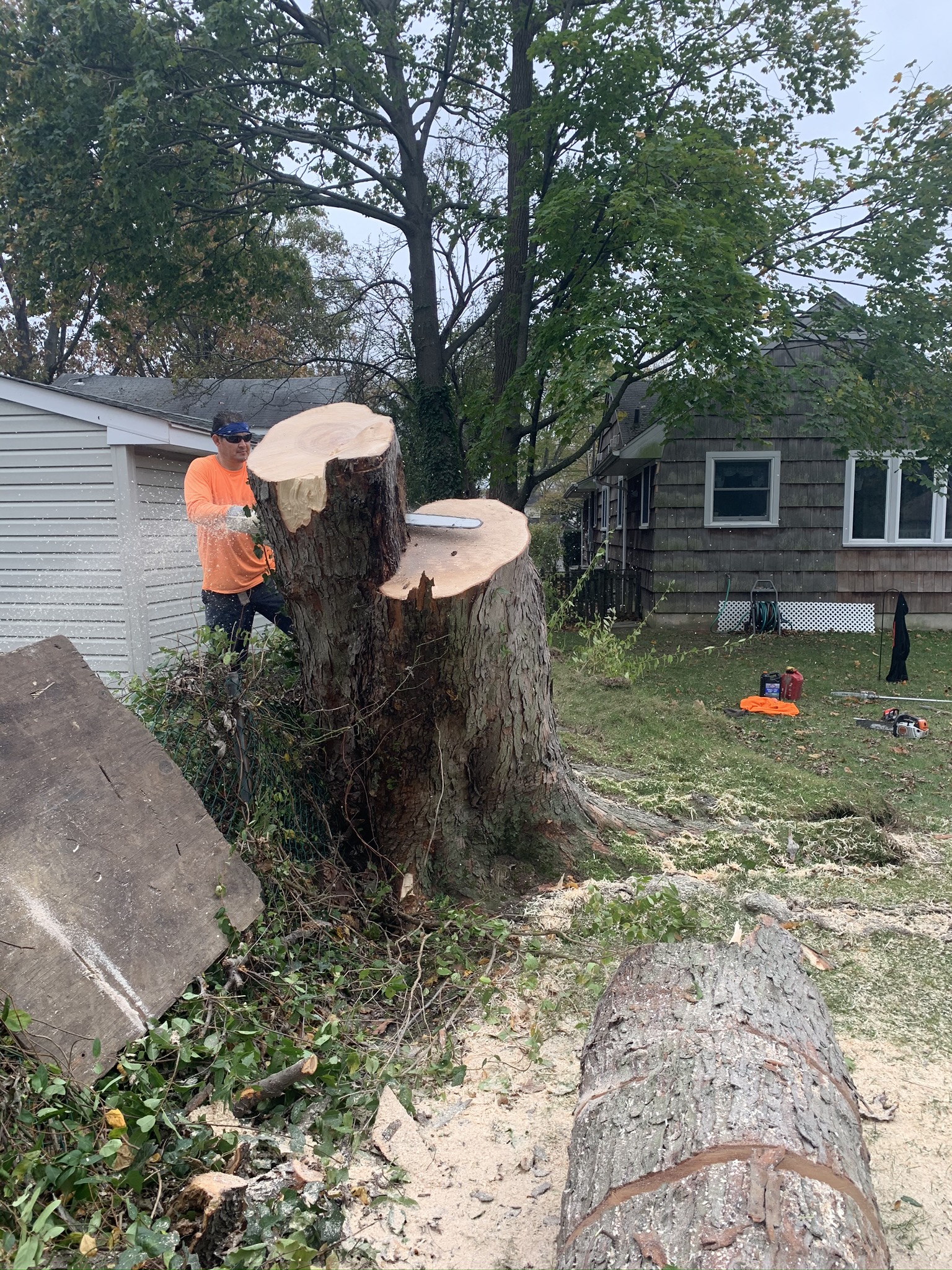
The Art of Tree Pruning: Tips for Optimal Growth Jan 07, 2026
Tree pruning involves the careful trimming of trees to enhance their structural integrity and to encourage desirable growth habits. It is essential to understand the biology of trees to carry out pruning effectively. When done correctly, pruning serves multiple purposes. It promotes the safety of your property, enhances the aesthetics of your landscape, and supports the tree's health.
Understanding the right time to prune is crucial. Generally, the best time to prune most trees is during late winter when they are dormant. This period allows wounds to heal before spring growth, reducing stress on the tree. Pruning during dormancy also minimizes the risk of disease and pest infestation. However, some flowering trees are better pruned immediately after blooming, to avoid removing buds for the next year.
The technique is equally important. Begin by removing dead, damaged, or diseased branches to improve overall tree health. This initial step helps prevent decay and insect infestation from spreading. As you progress, focus on cutting back branches that cross over or rub against each other, as these can cause wounds that breed disease. Always make cuts just outside the branch collar to ensure proper healing.
In addition to structural pruning, thinning the canopy of the tree is beneficial. This technique reduces wind resistance, decreases the risk of storm damage, and allows light to penetrate the tree. Proper thinning encourages new, healthy growth and increases air circulation, which reduces the likelihood of fungal infections.
Avoid the common pitfall of over-pruning. Removing too much foliage can weaken the tree and stunt its growth. In most cases, you should not remove more than 25% of a tree’s canopy in a single season. Over-pruning can also trigger the tree's defense mechanism, resulting in sucker growth — an unwanted, fast-growing shoot that depletes resources from the tree.
Pruning can seem straightforward, but it requires skill and precision to execute correctly. For more complex jobs, especially with large or mature trees, it's wise to seek professional assistance. Professional arborists, like those at Mr. Timber, possess the expertise and tools necessary to perform pruning safely and effectively, preserving your landscape's beauty and health.
Regular pruning is a proactive approach that extends the life of your trees and maximizes your investment in your landscape. By taking the time to understand and apply the best tree pruning techniques, you can enjoy a beautiful and safe outdoor space for years to come.
In conclusion, whether you are maintaining young saplings or caring for majestic oaks, proper tree pruning is indispensable. Mr. Timber encourages you to embrace tree pruning not just as maintenance but as an art form that contributes significantly to the vitality of your trees and the overall splendor of your property. Embrace this art, and watch your trees thrive with optimal growth year after year.
/filters:no_upscale()/filters:format(webp)/media/e3ea416f-1527-47d5-890b-1504bca86ce1.jpeg)