How to Spot the Early Signs of Tree Disease and What to Do About It Jan 16, 2026
Trees, being integral parts of our environment, require vigilant care. Unfortunately, understanding tree health is not always straightforward. Identifying the early signs of tree disease can prevent extensive damage. When trees are diseased, they often display specific symptoms, although the signs can vary depending on the type of disease and tree species.
The first step in identifying tree disease is to regularly inspect your trees. During your inspection, pay attention to the leaves. Discoloration, such as yellowing or browning of leaves during the growing season, might indicate a problem. Sparse foliage or leaves that fall prematurely should also raise alarms. Another key indicator is the presence of dead or dying branches. These branches can reflect the tree’s overall health status and may predispose it to infections or infestations.
Bark condition is critical when assessing tree health. Cracked, loose, or peeling bark may signal disease. Look for cankers on the bark as they often represent areas where the underlying wood is decaying. Additionally, mushrooms or fungal growth near the base of the tree can indicate root disease or internal decay, both of which can compromise the tree’s structural integrity.
Soil around the tree can also provide insights. Overly compacted soil or waterlogged areas suggest root damage and poor drainage, conditions favored by many pathogens. Pay attention to any unusual growths or swellings on the roots or root collar, as these can be signs of serious disease.
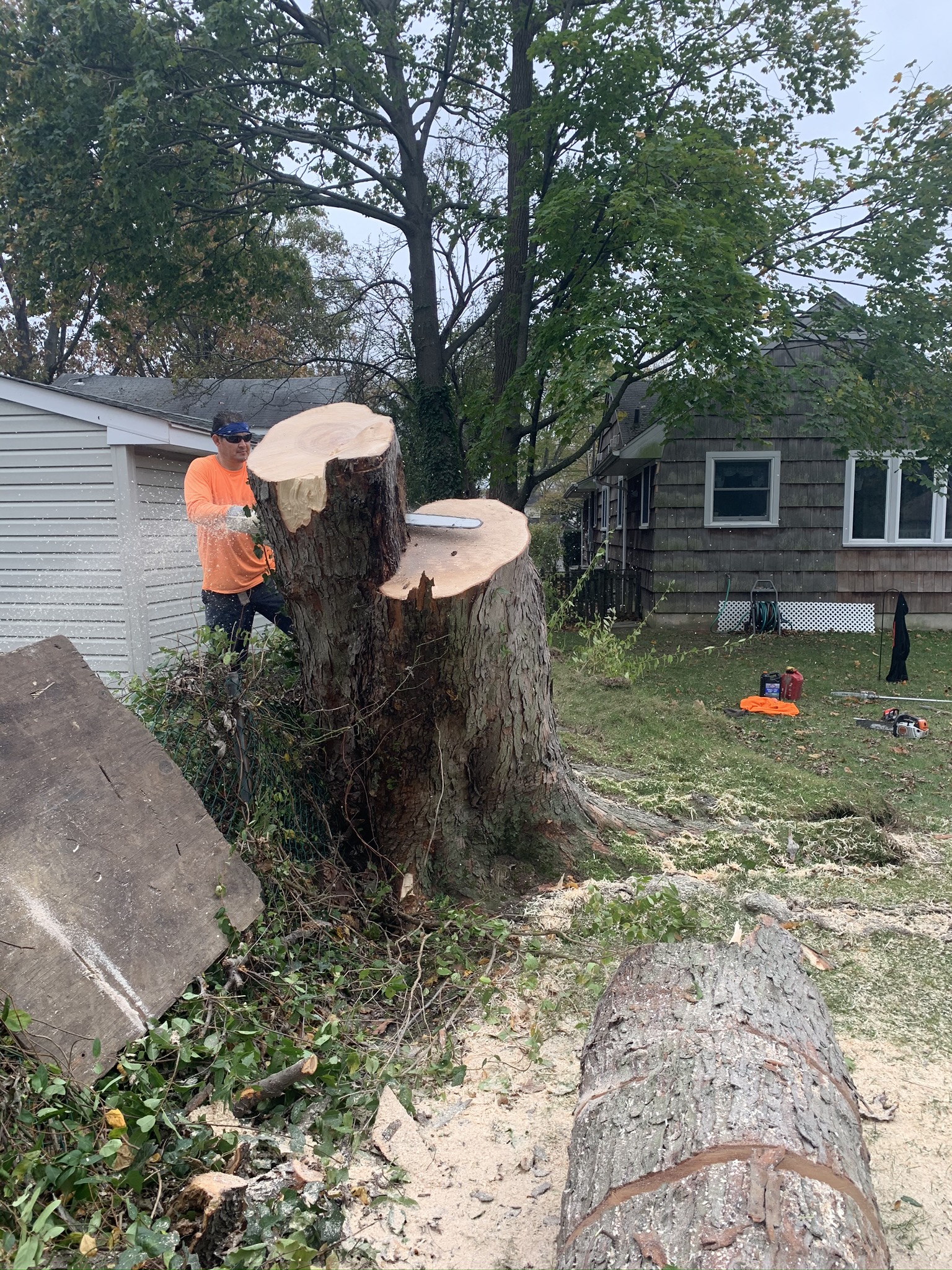
Once you identify these early warning signs, taking prompt action is crucial. The first step is to consult with a professional such as Mr. Timber. Professional tree services can accurately diagnose the disease, considering factors unique to your tree species and local environment. An expert will provide you with possible solutions which could range from pruning and treatment with fungicides to, in severe cases, tree removal.
In some instances, applying mulch properly can help maintain soil moisture and reduce stress on your trees, making them less susceptible to diseases. Adjusting irrigation strategies can also improve tree health by ensuring the roots are neither waterlogged nor drought-stressed.
If tree removal becomes necessary, it is important to replace any removed trees with species that are resistant to the disease that afflicted the previous tree. This strategy helps prevent future infections and maintains the biodiversity and visual appeal of your property.
In conclusion, while spotting early signs of tree disease may seem complex, it is manageable with astute observation and timely intervention. By staying vigilant and partnering with experts like Mr. Timber, you can safeguard your trees, ensuring they remain robust, healthy, and beautiful. In doing so, you not only protect your investment but also enhance the natural beauty and environmental health of your surroundings, benefiting both commerce and community.
/filters:no_upscale()/filters:format(webp)/media/e3ea416f-1527-47d5-890b-1504bca86ce1.jpeg)