Balancing Conservation and Development: The Role of Trees in Urban Planning May 13, 2026
Trees are often seen as decorative elements in urban landscapes, but their importance far surpasses aesthetics. In cities, trees act as natural air purifiers, absorbing pollutants and carbon dioxide while releasing oxygen. This natural process significantly improves air quality, reducing respiratory illnesses among city dwellers. Moreover, trees provide shade, which contributes to lowering urban temperatures and mitigating the urban heat island effect. This cooling effect not only enhances human comfort but also reduces the energy required for air conditioning, leading to economic savings and decreased greenhouse gas emissions.
Incorporating trees into urban planning also has profound social impacts. Trees and green spaces enhance the quality of life by providing recreational areas, encouraging outdoor activities, and fostering community interactions. Studies have shown that access to green spaces is linked to improved mental health, reduced stress levels, and increased overall well-being. For neighborhoods, the presence of well-maintained trees can increase property values and attract new residents, businesses, and tourists.
To effectively integrate trees into urban development, a strategic approach is necessary. Cities need to adopt policies that prioritize tree planting and conservation. This includes selecting species that are well-suited to the urban environment—species that can thrive in limited space and withstand pollution. Urban planners should work closely with tree services companies like Mr. Timber to ensure that the planting and maintenance of trees meet the specific needs of each area.
Innovative urban planning models are increasingly considering trees more than just a landscape feature. Concepts like urban forests and green corridors connect fragmented urban areas with continuous strips of vegetation, allowing wildlife to thrive and improving ecosystem connectivity. This approach not only supports biodiversity but also helps manage stormwater naturally, reducing the risk of urban flooding.
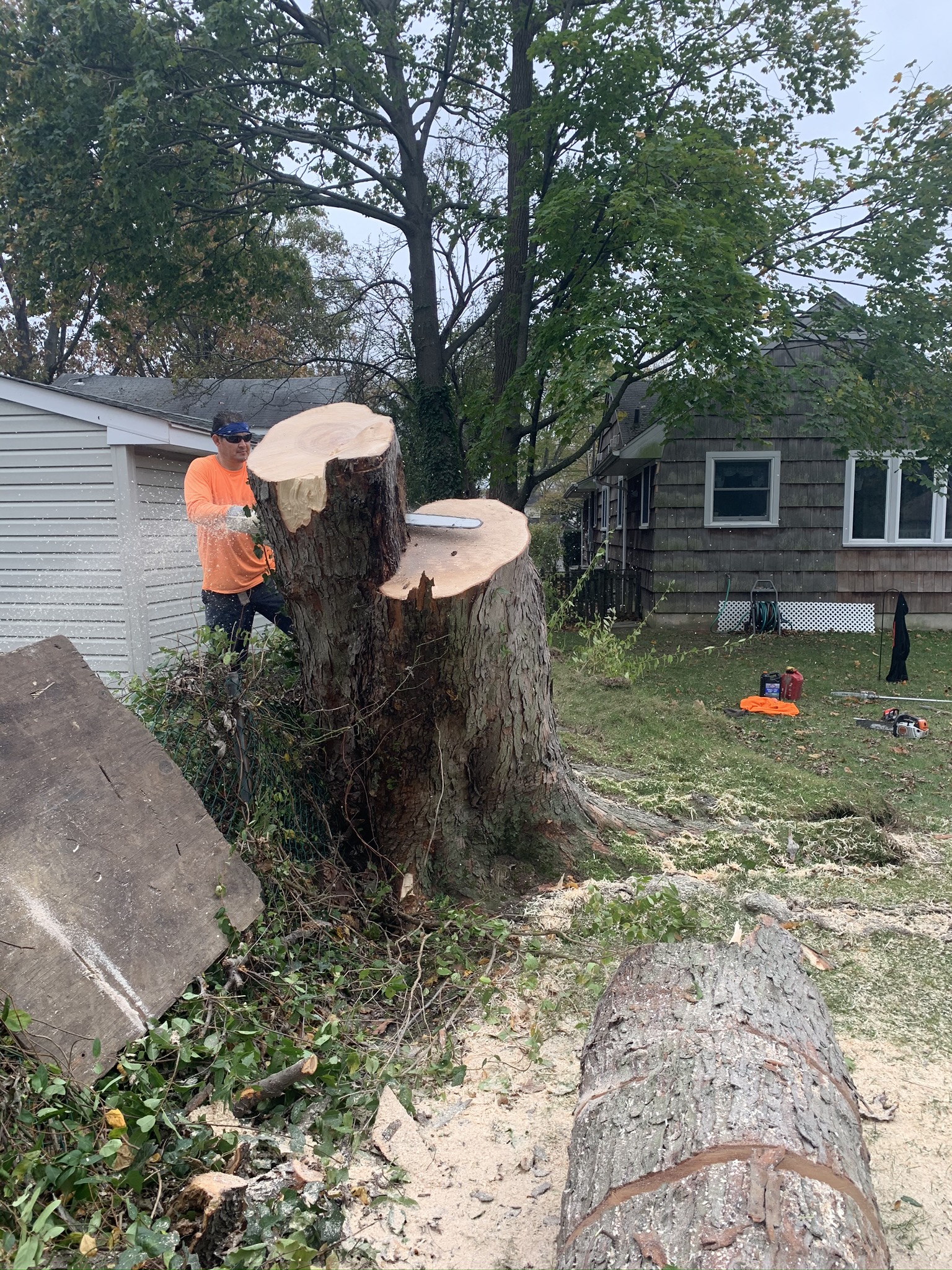
Despite their benefits, trees in urban settings can also pose challenges, especially when not properly managed. Overgrown branches can interfere with power lines, while roots may disrupt sidewalks and underground utilities. This is where professional tree services become invaluable. Mr. Timber offers expertise in tree maintenance, ensuring that urban trees are healthy, safe, and contributing positively to the community.
In conclusion, trees hold a pivotal role in urban planning, bridging the gap between conservation and development. They enrich the urban environment by improving air quality, reducing heat, fostering community, and supporting biodiversity. As cities continue to grow, prioritizing tree conservation and strategic planting within urban planning can lead to sustainable, healthier environments for current and future generations. At Mr. Timber, we are committed to supporting communities in their journey towards a greener urban future.
Incorporate trees wisely and reap the manifold benefits they offer, ensuring that urban development does not come at the cost of nature but harmoniously includes it. Connecting with nature through proactive urban planning is not just beneficial; it's essential for sustainable living, and we’re here to help guide that process every step of the way.
/filters:no_upscale()/filters:format(webp)/media/e3ea416f-1527-47d5-890b-1504bca86ce1.jpeg)